Yarn & Tools
Choose yarn, hooks, needles and craft tools with confidence
The right materials can make a pattern easier to follow, improve the finished result, and save you from frustrating surprises later. This guide explains the essentials for crochet and knitting: yarn weights, fiber types, hook and needle sizes, basic tools, plushie supplies, and what happens when you substitute materials.
Understanding yarn weight
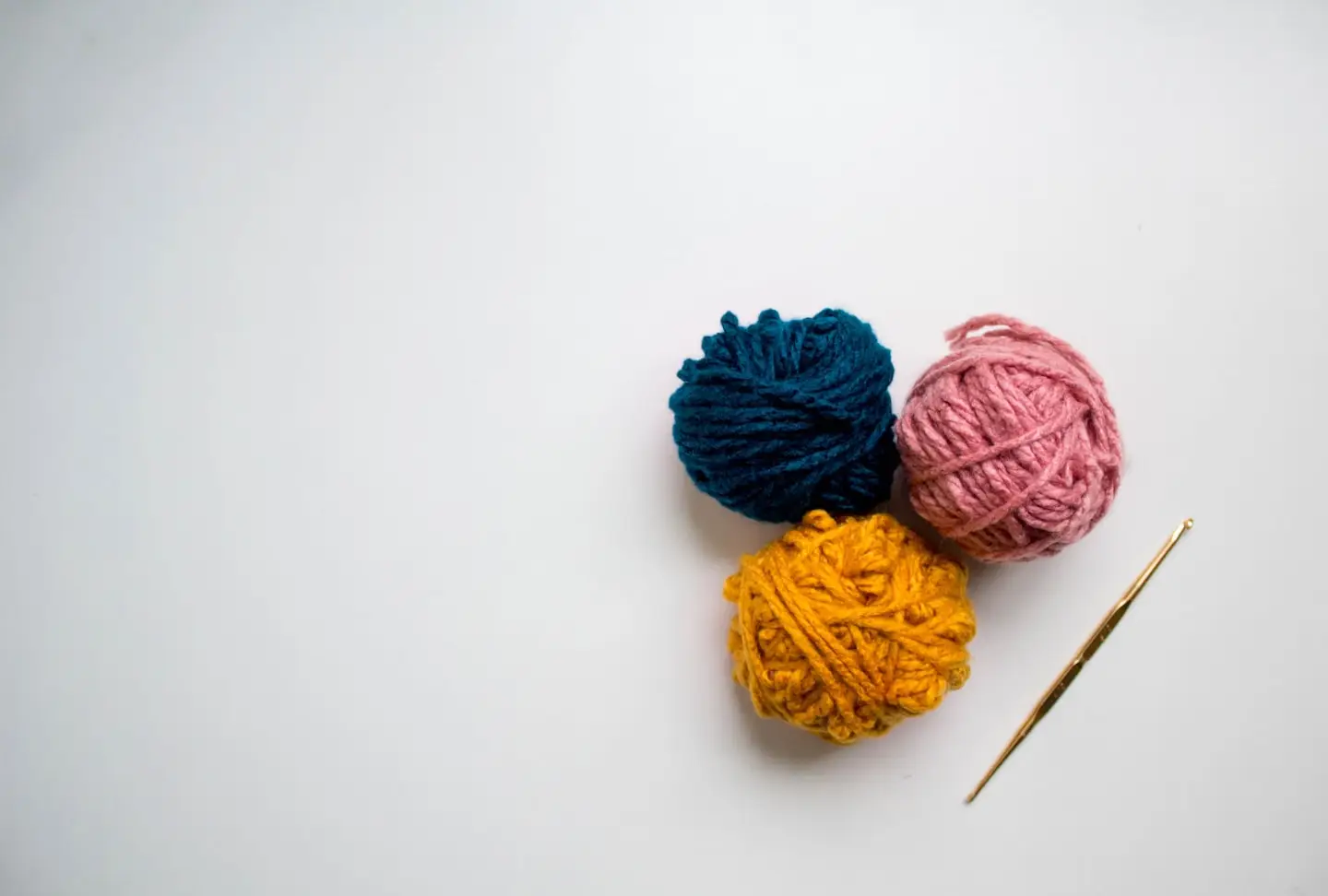
Yarn weight describes the thickness of the yarn. It affects the size of your stitches, the density of the fabric, the amount of yarn you need, and the final dimensions of the project. Two yarns can be made from the same fiber but behave very differently if one is much thicker than the other.
| Yarn weight | Common uses | Beginner note |
|---|---|---|
| Sport / light | Small accessories, lightweight toys, baby items | Creates finer stitches but may take longer to work. |
| DK | Plushies, garments, hats, home décor | A versatile middle weight with clear stitch definition. |
| Worsted / aran | Blankets, scarves, toys, home projects | Easy to see and handle, making it a good beginner choice. |
| Bulky | Fast blankets, cushions, oversized plushies | Works up quickly but changes finished dimensions significantly. |
| Super bulky | Chunky décor, large plushies, quick accessories | Requires larger tools and usually produces a very thick fabric. |
When a LetYouCraft pattern specifies a yarn weight, staying close to that weight is the easiest way to keep the project near its intended size. A different brand is often fine if the thickness and gauge are similar.
Choosing the right fiber
Fiber affects softness, stretch, stitch definition, warmth, care requirements, and how easy the yarn is to work with. There is no single “best” fiber for every project. Choose based on what the finished item needs to do.
Cotton
Cotton has clear stitch definition and relatively little stretch. It works well for coasters, bags, dishcloths, summer accessories, and projects where you want a firm shape. It can feel heavier than acrylic or wool in larger projects.
Acrylic
Acrylic is widely available, affordable, and easy to care for. It is a practical option for plushies, blankets, beginner projects, and items that need regular washing. Quality and softness can vary between brands.
Wool
Wool is warm, elastic, and forgiving, which can make stitches feel comfortable to work. It is commonly used for garments, hats, scarves, and warm accessories. Check washing instructions carefully because some wool can felt or shrink.
Chenille and plush yarn
Chenille creates very soft, cuddly plushies, but its fuzzy surface can make stitches harder to see. Beginners may find it easier to learn shaping with a smoother yarn first, then move to plush yarn once they are comfortable counting stitches.
Crochet hook sizes
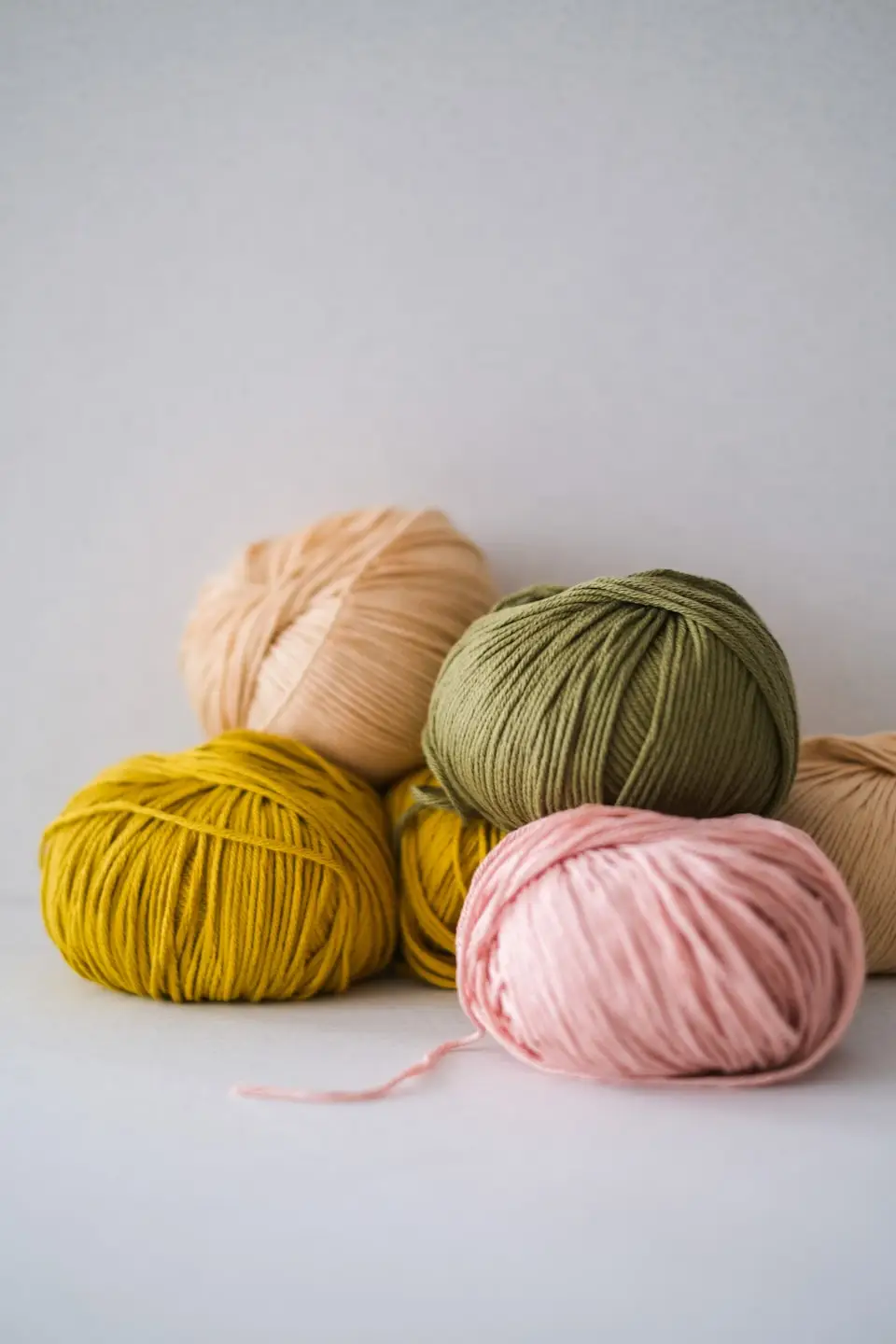
The hook size controls how large each crochet stitch becomes. A smaller hook usually produces a firmer, denser fabric. A larger hook creates looser stitches and more drape.
- For amigurumi: a slightly smaller hook is often used so stuffing does not show through the fabric.
- For garments and scarves: a larger hook may create the softer drape you want.
- For exact sizing: make a gauge swatch and adjust the hook size until your stitch and row measurements match the pattern.
- If your hands feel strained: an ergonomic handle can be more comfortable during long sessions.
Use the millimeter measurement printed on the hook whenever possible, because letter and number systems can vary by region and manufacturer.
Knitting needle sizes
Needle diameter affects stitch size and fabric density in the same way that hook size affects crochet. If your gauge is too tight, a larger needle may help. If it is too loose, try a smaller needle.
Straight or circular needles?
Straight needles are simple for smaller flat pieces. Circular needles can hold more stitches and are often more comfortable for blankets, garments, and larger flat projects because much of the project weight rests on the cable. Circular needles are also required for many projects worked in the round.
Bamboo or metal?
Bamboo and wood provide more surface grip, which can help prevent slippery yarn from escaping the needle. Metal needles are smoother and faster, which many knitters prefer once they are comfortable controlling their stitches.
Essential tools worth having
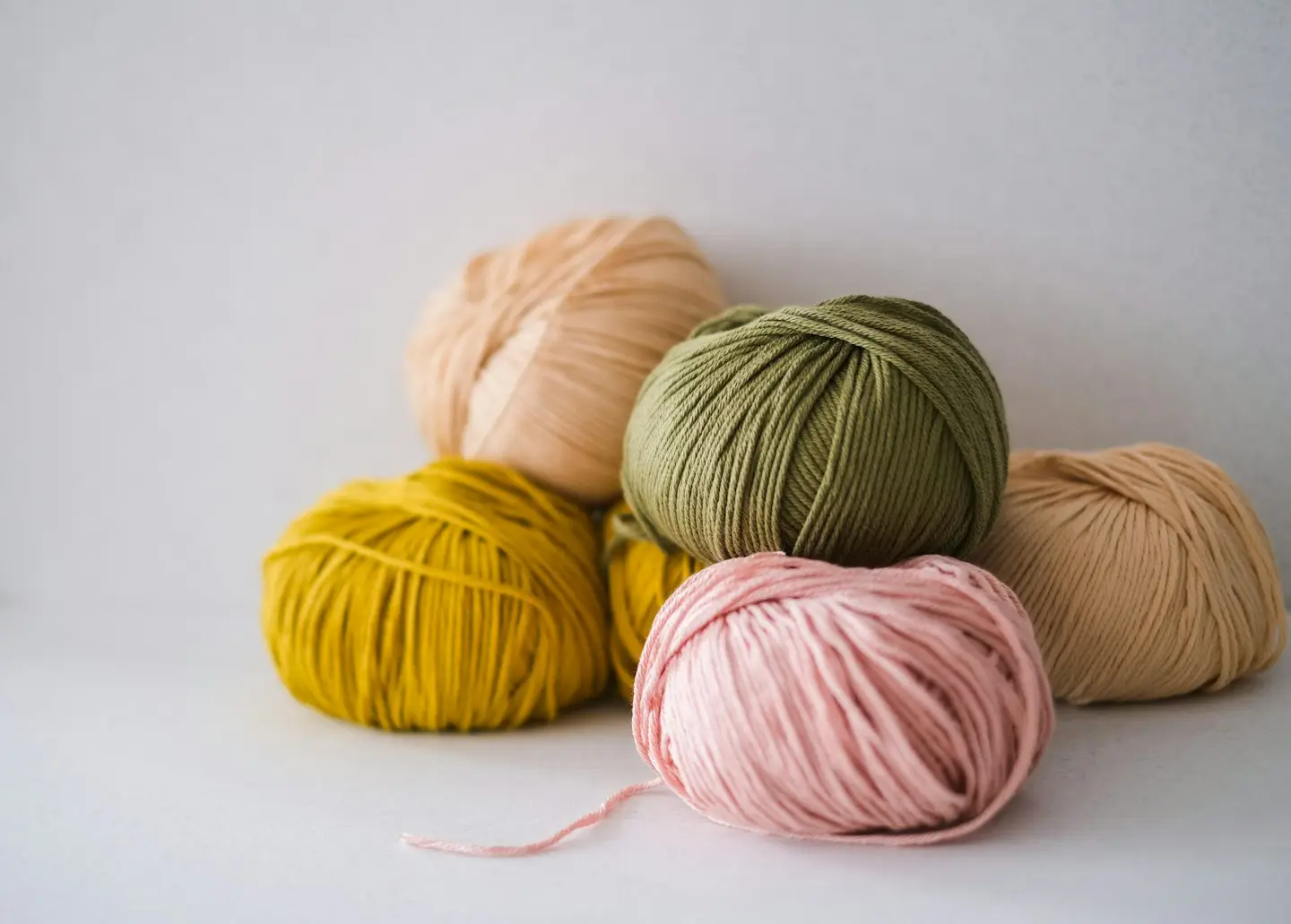
You do not need a huge tool collection. A few inexpensive basics will cover most crochet and knitting projects.
- Sharp scissors: for clean yarn ends.
- Yarn needle: for weaving ends and sewing pieces together.
- Stitch markers: for marking rounds, repeats, shaping points, or important positions.
- Tape measure: essential when gauge or finished dimensions matter.
- Row or round counter: useful for longer repeats and shaping sections.
- Blocking supplies: helpful for garments, lace, squares, and projects that need shaping.
- Stuffing: choose clean, resilient filling for plushies and stuffed décor.
- Pins or clips: useful when positioning pieces before sewing.
Choosing supplies for amigurumi and knitted plushies
Plushies have slightly different material needs from scarves or garments because the fabric must usually hold stuffing without large gaps. Yarn choice, tool size, stuffing technique, and finishing all affect the final shape.
- Choose yarn with enough stitch definition if you are still learning shaping and counting.
- Use a firm fabric so stuffing is supported and does not show through large gaps.
- Add stuffing gradually rather than forcing a large amount in at once. This helps preserve the intended shape.
- Use stitch markers to identify the beginning of rounds and important placement points.
- For children’s items, consider embroidered features or another securely integrated alternative instead of detachable components.
- Keep a yarn needle nearby for closing openings, attaching limbs, and weaving ends securely.
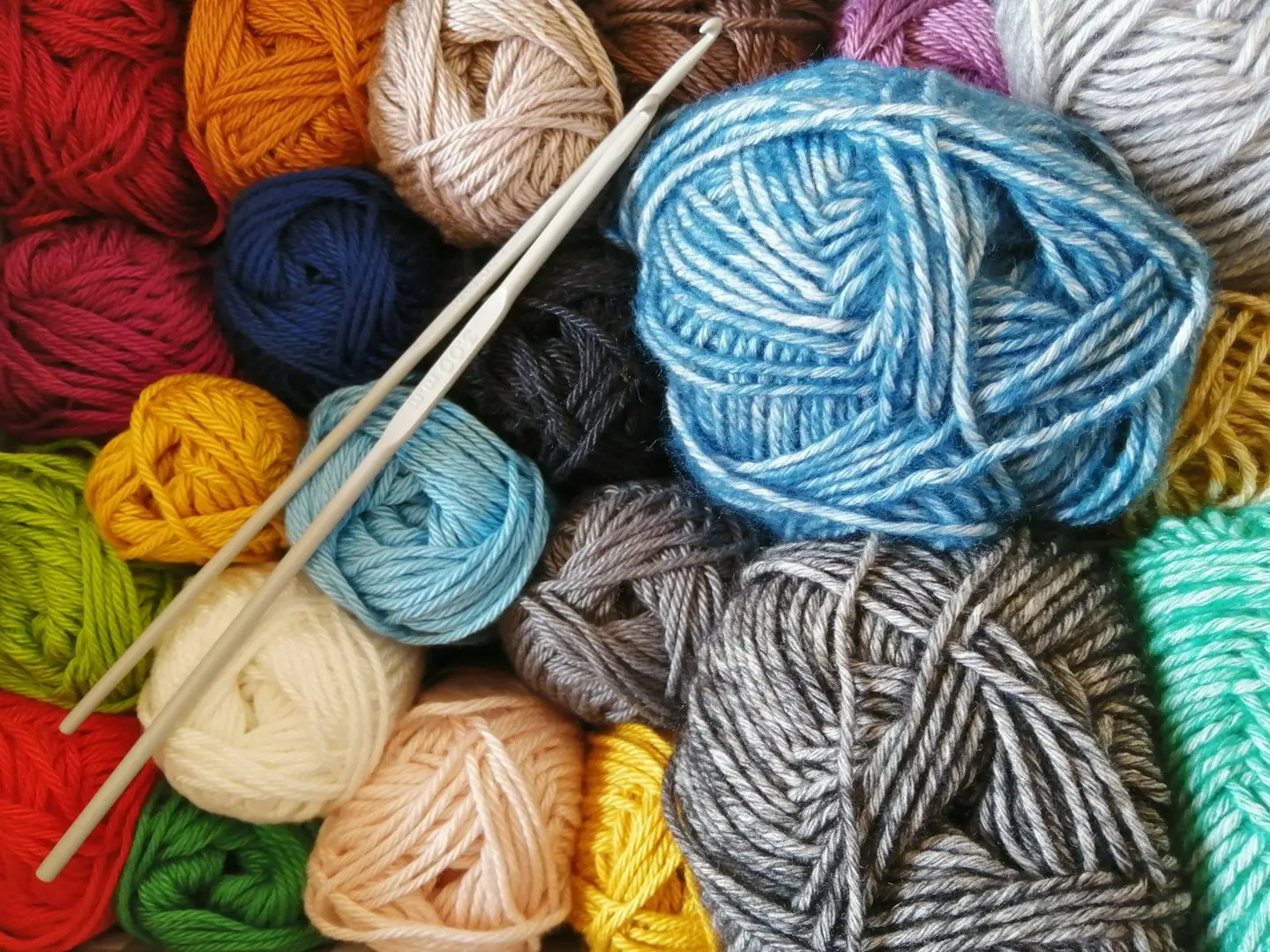
What happens when you substitute yarn?
Substitution can work very well, but it is important to understand what changes with it. Replacing one yarn with a noticeably thicker or thinner yarn creates a chain reaction:
Yarn thickness → gauge → finished dimensions → fabric density → yarn quantity → stuffing or finishing needs.
For example, using bulky yarn in a pattern written for DK yarn will usually produce a much larger project even if you follow exactly the same stitch counts. You may also need a larger hook or needle, more yarn, and more stuffing. Going much thinner has the opposite effect.
A safer substitution checklist
- Match the original yarn weight as closely as possible.
- Compare fiber behavior and stretch.
- Make a small gauge swatch if finished size matters.
- Adjust hook or needle size if your gauge is too tight or loose.
- Buy a little extra yarn when the substitute has different yardage per ball.
- Expect the final texture and drape to differ somewhat from the original material.
Ready to choose a project?
Once you understand the materials, the best way to learn is to use them. Browse a project collection, check the recommended yarn and tool sizes, and choose something that adds one or two new skills at a time.
Crochet Patterns
Explore amigurumi, seasonal projects, home décor and other crochet patterns.
Knitting Patterns
Browse plushies, blankets, accessories and other knitting projects.
Need more help?
If you are just beginning, visit Start Here. If a specific pattern is confusing, use Pattern Help. For other questions, you can contact LetYouCraft.
Independent yarn and tool size references
For a second reference when choosing materials, see the Craft Yarn Council yarn-weight system and its hook and needle size charts. These industry guidelines explain common labels and metric sizing; the gauge and materials for your chosen project remain the final reference.