Knitting for Beginners
Build your knitting skills from the first cast-on
Knitting creates fabric by forming connected loops across two needles. Start with a few dependable techniques, learn how to read rows and stitch counts, and choose a first project that lets you practice without introducing too many new skills at once.
What you need to begin knitting
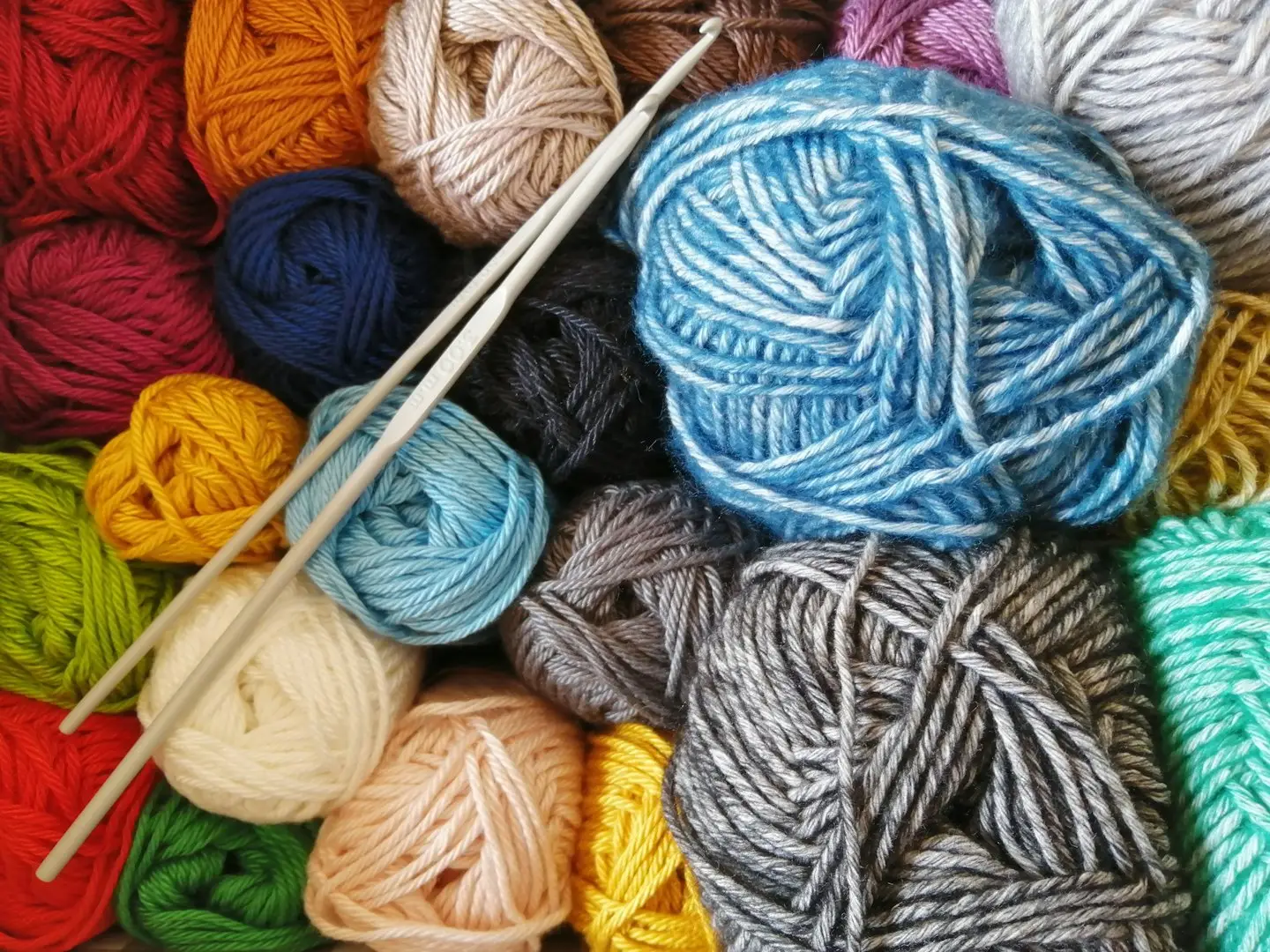
Most beginner knitting projects need yarn, a pair of needles in the recommended size, scissors, and a yarn needle for finishing. Stitch markers, a tape measure, and a row counter are useful additions once projects become longer or require shaping.
Straight or circular needles?
Straight needles work well for smaller flat pieces. Circular needles can also be used for flat knitting and often feel more comfortable for larger projects because much of the fabric weight rests on the cable. Patterns worked in the round usually require circular needles or another circular-knitting method.
Yarn for a first project
A smooth, medium-weight yarn in a light or medium color makes individual stitches easier to see. Very fuzzy yarn can hide stitch structure, while very thin yarn can make a first project feel unnecessarily slow.
Core knitting skills to learn first
- Casting on: places the first row of loops onto the needle.
- Knit stitch: one of the two foundational stitches in knitting.
- Purl stitch: the second foundational stitch and the reverse-side partner of knit.
- Increasing: adds stitches to shape or widen the fabric.
- Decreasing: removes stitches to shape the fabric inward.
- Binding off: secures the final row so stitches do not unravel.
- Seaming: joins separate knitted pieces when a project is assembled.
- Weaving ends: secures yarn tails neatly after finishing.
Once knit and purl feel comfortable, many textures become combinations of those same two movements. Focus on consistent stitch formation before worrying about speed.
How to read a knitting pattern
Before casting on, check the size, yarn, needle size, gauge, abbreviations, construction method, and whether the project is worked flat or in the round. Pattern instructions often assume you know which side of the work is facing you, so pay attention to RS and WS labels.
| Common abbreviation | Meaning |
|---|---|
| k | knit |
| p | purl |
| st / sts | stitch / stitches |
| RS | right side |
| WS | wrong side |
| inc | increase |
| dec | decrease |
| rep | repeat |
Always use the specific abbreviation key supplied by the pattern when available, especially for increases, decreases, and special stitches.
Common beginner knitting problems
Accidental extra stitches
An unintentional yarn over or a stitch worked without being slipped off the left needle can create an extra stitch. Count periodically so you catch the problem early.
Dropped stitches
Stop as soon as you notice a dropped loop. A crochet hook can often be used to pull the loop back through the ladder of strands above it before it unravels farther.
Twisted stitches
Make sure stitches sit on the needle in the orientation expected by the pattern. Accidentally knitting through the wrong leg can twist the stitch and change the appearance of the fabric.
Wrong shaping edge
When increases or decreases belong on a particular edge, confirm the right side, wrong side, and row direction before beginning the shaping row.
Gauge matters when size matters
If your project must fit a person or match a specific measurement, make a gauge swatch. If you have too many stitches in the measured area, the fabric is usually too tight and a larger needle may help. If you have too few stitches, a smaller needle may be needed.
For many plushies and decorative projects, a small gauge difference simply changes the finished size. Even then, changing yarn weight or needle size can affect stuffing, fabric density, and how the final shape behaves.
Choose your first knitting project
Look for a project with repeated rows, a manageable number of pieces, and limited shaping. A simple plushie section, scarf, dishcloth, small accessory, or basic home project can help you build confidence without overwhelming you.
Knitting abbreviations and needle reference
For common terms such as k2tog, SSK, M1L and M1R, consult the Craft Yarn Council knitting abbreviations glossary. If your pattern names a US needle size, check the metric knitting needle conversion chart; still match the gauge printed in the actual pattern.
Free knitted animal patterns and PDF guides
Ready for a stuffed-toy project? Explore our free knitted animal pattern library, with 20 teddy, cat, farm animal, dinosaur and bird projects, each linked to a materials and PDF guide.