Crochet for Beginners
Learn crochet one clear step at a time
Crochet uses one hook and a series of loops to create fabric, shapes, textures, and three-dimensional projects. You do not need to memorize dozens of stitches before starting. Learn a few core techniques, understand how patterns are written, and choose a manageable first project.
What you need to begin
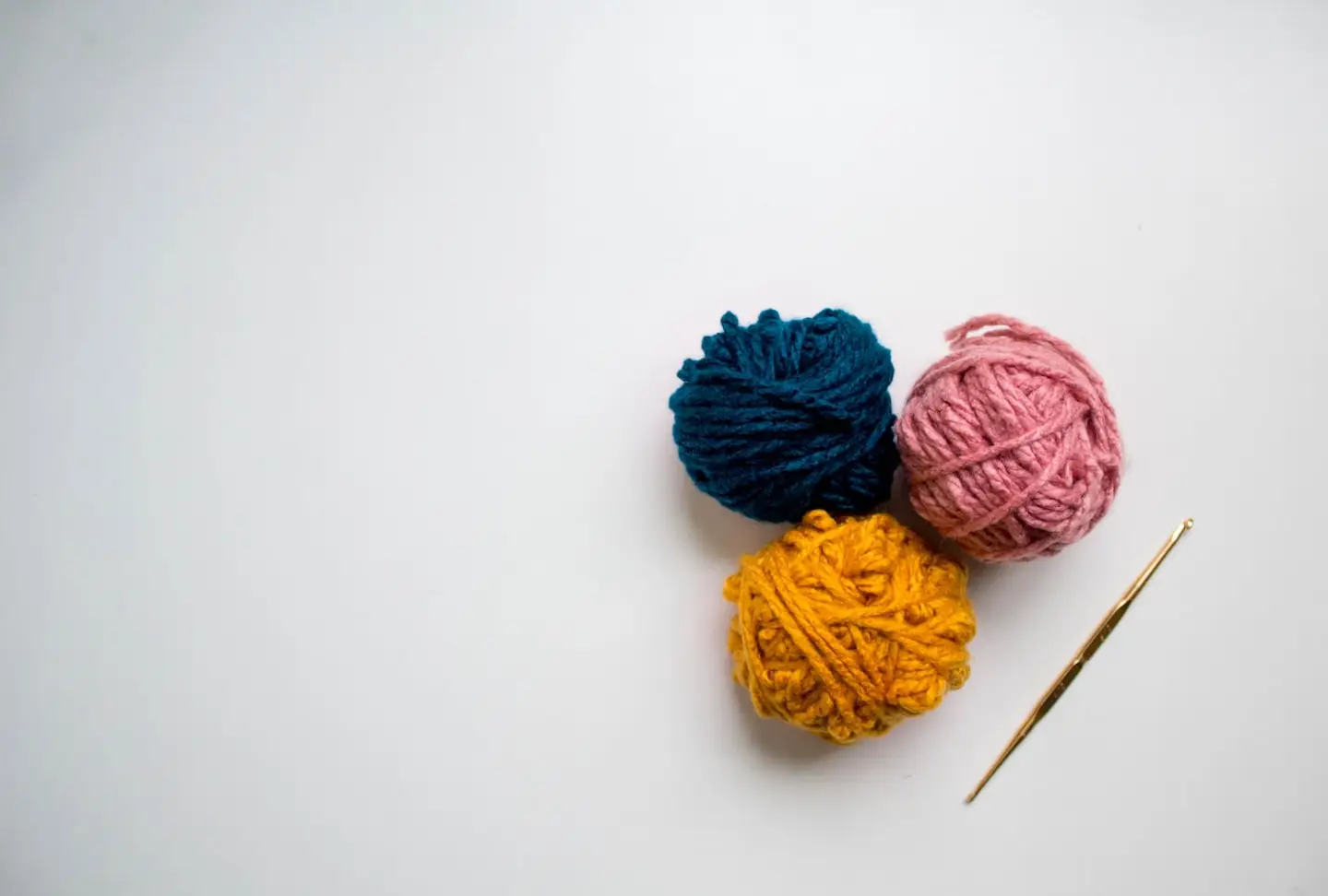
For most beginner projects, you only need yarn, a crochet hook in the recommended size, scissors, and a yarn needle. Stitch markers and a tape measure are also useful. If you are making a plushie, you may need stuffing and project-specific finishing materials.
Choosing yarn
A smooth DK or worsted-weight yarn is often easier for beginners because the stitches are visible and the yarn is comfortable to handle. Very fuzzy or very dark yarn can make it harder to see where the hook should go.
Choosing a hook
Start with the hook size recommended by the pattern or yarn label. If the fabric feels extremely stiff, a larger hook may help. If stitches are too loose or stuffing shows through a plushie, a slightly smaller hook may be more suitable.
Core crochet skills to learn first
- Slip knot: creates the first loop on the hook.
- Chain: forms a foundation or spacing between stitches.
- Single crochet: a compact stitch used frequently in amigurumi and firm fabric.
- Increase: adds stitches and makes the piece wider.
- Decrease: removes stitches and shapes the piece inward.
- Working in rows: turning back and forth to create flat fabric.
- Working in rounds: building circular or tubular shapes.
- Fastening off: securing the final loop when a section is complete.
Do not worry about perfect tension immediately. Focus first on making each stitch in the correct place and keeping an accurate count. Consistency improves naturally with practice.
How to read a crochet pattern
Read the full pattern once before starting. Check the materials, yarn weight, hook size, finished dimensions, abbreviations, and whether the project is worked in rows, joined rounds, or a continuous spiral.
| Common abbreviation | Meaning |
|---|---|
| ch | chain |
| sc | single crochet |
| sl st | slip stitch |
| inc | increase |
| dec | decrease |
| st / sts | stitch / stitches |
| rep | repeat |
| BOR | beginning of round |
Abbreviations can vary by pattern and region, so always use the abbreviation key supplied with the project when available.
Common beginner mistakes
Losing or gaining stitches
Count stitches at the end of each row or round when the pattern provides a count. Missed edge stitches and accidental extra stitches are two of the most common beginner problems.
Skipping the beginning-of-round marker
When working in a spiral, place a marker in the first stitch of each round and move it upward as you work. This prevents the start of the round from drifting unnoticed.
Changing tension too much
Try to hold the yarn in the same general way throughout the project. Extremely tight stitches are difficult to enter, while very loose stitches can distort shaping.
Continuing after the count is wrong
If your stitch count does not match, correct it before moving on. Later shaping instructions assume the previous count is correct.
Choose your first crochet project
A good first project uses a short materials list, repeated stitches, limited shaping, and clear finishing. Small plushies, coasters, simple accessories, and basic home projects can be good starting points because you can finish them without committing to a very large piece.
Once you are comfortable with chains, single crochet, increases, decreases, and counting rounds, move to projects that introduce one new technique at a time.
Crochet terminology reference
Crochet patterns may use different terms in different countries. The Craft Yarn Council crochet abbreviation guide explains common US notation and key UK differences. Keep this reference handy alongside our pattern troubleshooting guide when following your first written pattern.
Free crochet animal patterns and PDFs
Prefer to learn with an animal project? Explore our free crochet animal pattern library, with 24 individual amigurumi project guides and downloadable PDFs. Compare construction notes before choosing your next frog, turtle, bear or other character.